How to Compare Commercial Landscaping Bids in Phoenix
Compare landscape maintenance proposals by service scope, irrigation responsibility, startup work, exclusions, and communication before choosing a vendor.
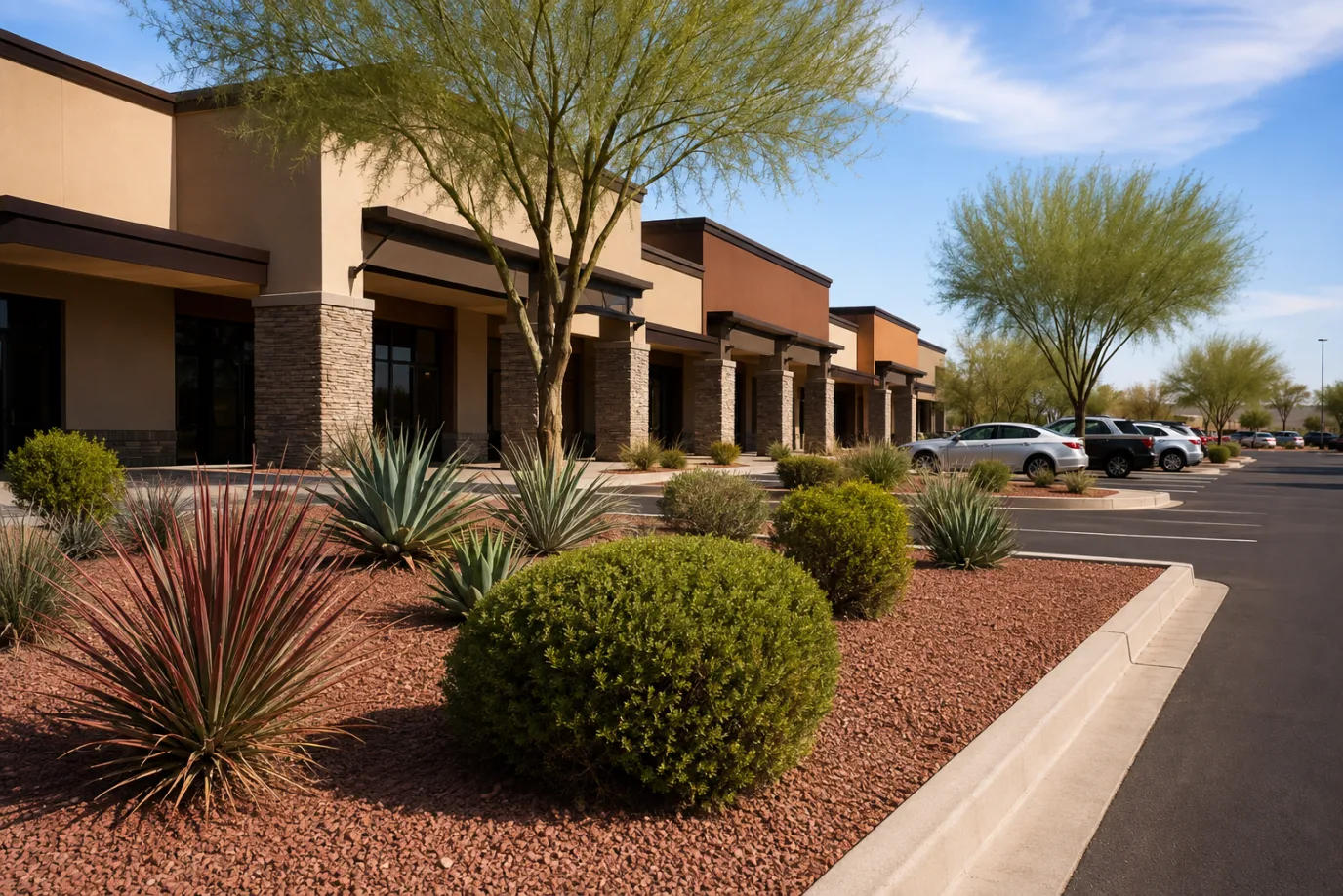
Two monthly landscaping prices are comparable only when they cover the same property and service expectations. Before selecting a commercial landscape provider in Phoenix, use a common scope and ask each bidder to explain its assumptions. This guide is a practical purchasing worksheet for property managers, rather than a substitute for your organization’s contract review.
The aim is to identify differences before work starts: areas left out of the map, seasonal items priced separately, irrigation responsibilities, and conditions the new provider will inherit. A low monthly price may be appropriate for a limited scope; it becomes misleading when the scope is unclear.
Start with one shared property brief
Give each bidder the same address, map, approximate maintained landscape area, property use, and access notes. Share the current service concerns and distinguish recurring maintenance from any initial cleanup or restoration. If bidders walk the site at different times, distribute important clarifications to everyone involved.
Include the proposal deadline, desired start date, decision contact, and required format. Ask bidders to identify any site condition they could not verify. A proposal should make assumptions visible rather than leave the manager to infer what the quoted price covers.
Compare routine work line by line
For each service item, record the covered area, expected result, frequency or seasonal schedule, and exclusions. Compare mowing and edging separately from shrub care, landscape-bed cleanup, gravel grooming, litter removal, and weed management. Confirm whether haul-off is included when debris is collected.
Do not use visit count as the only comparison. Ask what a visit includes, which priority areas receive attention, and how work changes with the season. If one proposal assumes a small frontage and another includes the full perimeter, resolve that difference before evaluating price.
Separate irrigation checks from repair allowances
Ask each bidder to describe irrigation observation, controller review, diagnostics, repair labor, replacement parts, and approval limits. Those are different responsibilities. A proposal that includes visual checks may still require authorization and a separate price for a valve repair.
Name the property contact who may approve additional work and the person who receives a report if water is running where it should not be. Ask what contact process is available and have the provider confirm any response commitment in writing. Do not infer round-the-clock coverage from the word “service.”
Review the irrigation responsibilities described in Bryson’s commercial maintenance service.
Make startup work and seasonal extras visible
A new contractor may inherit accumulated debris, damaged irrigation, missing plants, or beds that need restoration. Ask for startup work to be listed separately from the recurring fee. The same applies to optional seasonal turf, replacement planting, major tree work, and landscape enhancements.
Compare the annual base service amount using the actual billing periods in each proposal. List known one-time work and selected optional services alongside it. Leave uncertain repairs as clearly identified allowances or separately approved work; adding invented repair costs produces a false sense of precision.
Use these five questions in the bid review
What areas or tasks are excluded? Ask for exclusions beside the corresponding scope item, not just in a general note at the end.
What happens when the crew finds a problem? Ask who documents it, who receives the report, and who authorizes the next step.
What must happen before the start date? Confirm gate access, controller access, site orientation, vendor onboarding, and any initial work.
What property-specific requirements must be confirmed? Provide your organization’s insurance and vendor requirements for review before scheduling. A request for documentation is not confirmation that a bidder meets every requirement.
How will performance be reviewed? Agree on a property contact, a review process, and how incomplete or disputed work is recorded. Request relevant references if they are part of your purchasing process.
Keep a short comparison record
For each bidder, record the base recurring amount, billing periods, startup amount, included areas, irrigation responsibilities, seasonal extras, exclusions, and unresolved questions. Mark each item confirmed, excluded, or awaiting clarification. Treat unanswered scope questions as open items rather than assuming the most favorable interpretation.
After choosing a provider, retain the accepted scope and clarifications with the property records. Use them during the first service review so both sides evaluate the same responsibilities.
Use the commercial maintenance inspection checklist for ongoing reviews.
Download a property brief to prepare for the site walk.
Request a Phoenix commercial maintenance proposal from Bryson.
Need Professional Assistance?
If you suspect an underground pipe break, need lawn maintenance, or want to rework an inefficient drip zone, tell us what the property is doing now. We will review the site and define the work before pricing it.
Plan your commercial property walkthrough
Bring your current scope, property concerns, access requirements, and bid timeline. We will review the site before proposing work.
Recommended Guides
Need a Property Recommendation?
Tell us whether the priority is repair, recurring maintenance, or a new installation. We will review the property details before proposing work.