Commercial Landscape Maintenance Checklist for Phoenix
A practical inspection checklist for Phoenix property managers: entrances, irrigation, landscape beds, service records, and repair approvals.
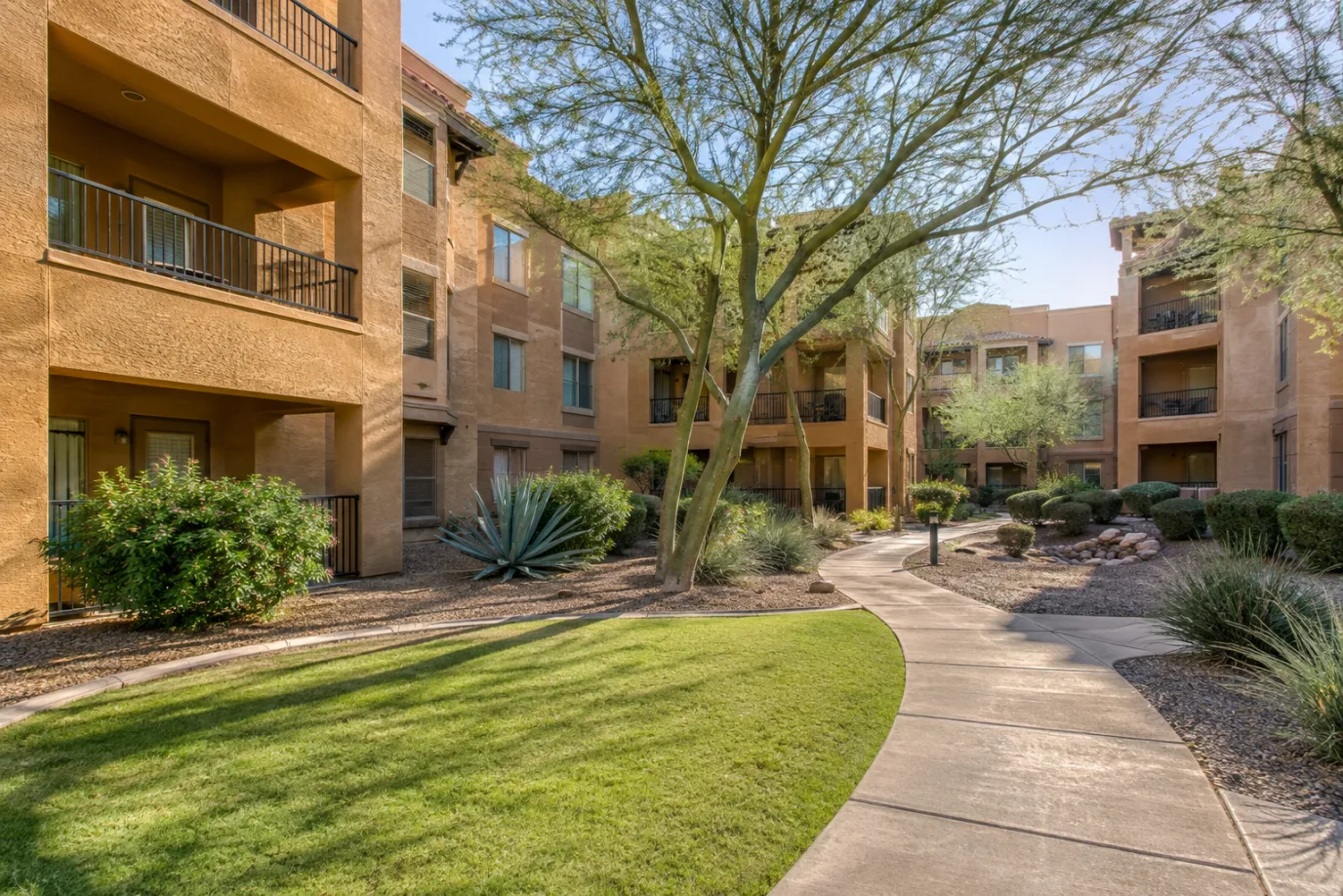
A property inspection should help you answer three questions: what meets the agreed standard, what needs correction, and who owns the next action. This commercial landscape maintenance checklist gives Phoenix property managers a repeatable way to walk a site and discuss service with their landscape provider. Adapt it to the written scope and the property’s operating hours.
Use the same route each time. Start with public entrances, continue through pedestrian areas and landscape beds, and finish with irrigation access points and less-visible boundaries. Date your notes and use location names that the maintenance crew can recognize.
Before the walk: bring the scope, not just last month’s invoice
Have the current service agreement, site map, and open repair list available. Mark areas outside the landscape contract, such as neighboring frontage or work assigned to another vendor. Note scheduled tenant events, deliveries, gate restrictions, and any areas you cannot enter safely.
Create four fields for each observation: location, condition, requested action, and responsible contact. A photo labeled “north entrance, plants blocking monument sign” gives the provider a more useful starting point than “landscaping needs attention.”
1. Entrances, signage, and pedestrian routes
Walk the routes customers, residents, and employees actually use. Record vegetation obscuring signs, debris left along curbs, and landscape growth narrowing paths. Note where cleaning or pruning is needed without assuming every tree task belongs in routine maintenance.
For retail centers, identify storefront approaches, shopping-cart routes, and parking edges. For offices, include main entries and employee walkways. For apartments or HOA common areas, add shared paths, mailbox areas, and access gates included in the contract. This changes the inspection route, even when the same crew maintains the whole site.
2. Turf, gravel, shrubs, and planting beds
Compare each area with its own agreed standard. Check turf edges and clipping cleanup, then look at gravel displacement, litter, visible weeds, and plant growth affecting access. Record plant damage separately from routine appearance items so the team can discuss diagnosis and replacement responsibilities.
Avoid making “everything must look freshly cut” the acceptance rule for every planting area. Ask what care is intended for each plant type and season, and compare the observed condition with that plan. If a bed needs restoration rather than routine care, request a separate scope before using it to judge the recurring service.
3. Irrigation observations and repair ownership
Note visible leaks, water on pavement, persistent wet areas, dry planting zones, and controller-access problems. Tell the provider when you observed the symptom and whether irrigation was running. A photograph of a wet area is useful, but timing helps distinguish a recurring watering issue from a recent rain event.
Confirm who reviews schedules, who may authorize repairs, and who receives urgent reports. The maintenance agreement should distinguish visual observation from diagnostics, parts, repair labor, and system upgrades. Do not assume a recurring maintenance fee includes all of those services.
See Bryson’s Phoenix irrigation repair service for diagnostic and repair scope.
4. Seasonal and weather-related follow-up
Use your existing care plan to decide which items need attention at this visit. Before a busy period, ask whether service timing needs to move around tenant activity. After a storm, document new debris and damaged areas before arranging additional work.
Keep planned seasonal tasks visible in the review notes. If winter turf, planting replacement, or a landscape enhancement is proposed, ask whether it is included, an optional addition, or a separate project. This keeps an inspection from quietly becoming authorization for extra work.
5. Close the loop on the previous inspection
Review the prior action list before starting a new one. For each item, record whether it was completed, quoted, deferred by the owner, or still needs diagnosis. Keep unresolved conditions attached to a named decision-maker and a follow-up date.
Discuss repeated problems by location. If the same corner keeps collecting debris, ask whether access, irrigation, adjacent use, or the service scope needs to change. Repeating a general complaint at every visit provides less direction than tracking the same specific condition over time.
Turn the checklist into a commercial site walk
Bring the property address, current scope, site map, access requirements, and open issues to the first walk. Bryson can evaluate the property and prepare a maintenance proposal that identifies routine responsibilities and separately approved work.
Download the commercial site-walk checklist (plain text).
Request a commercial landscape maintenance site walk in Phoenix.
Preparing a new contract? Read how to compare commercial landscaping bids.
Need Professional Assistance?
If you suspect an underground pipe break, need lawn maintenance, or want to rework an inefficient drip zone, tell us what the property is doing now. We will review the site and define the work before pricing it.
Plan your commercial property walkthrough
Bring your current scope, property concerns, access requirements, and bid timeline. We will review the site before proposing work.
Recommended Guides

Need a Property Recommendation?
Tell us whether the priority is repair, recurring maintenance, or a new installation. We will review the property details before proposing work.