Stop the leak. Restore the zone. Water the landscape—not the street.
Bryson troubleshoots sprinkler and drip systems across Laveen with a zone-by-zone process built to find the cause before parts are replaced. You get a repair scope tied to what the system is actually doing on your property.
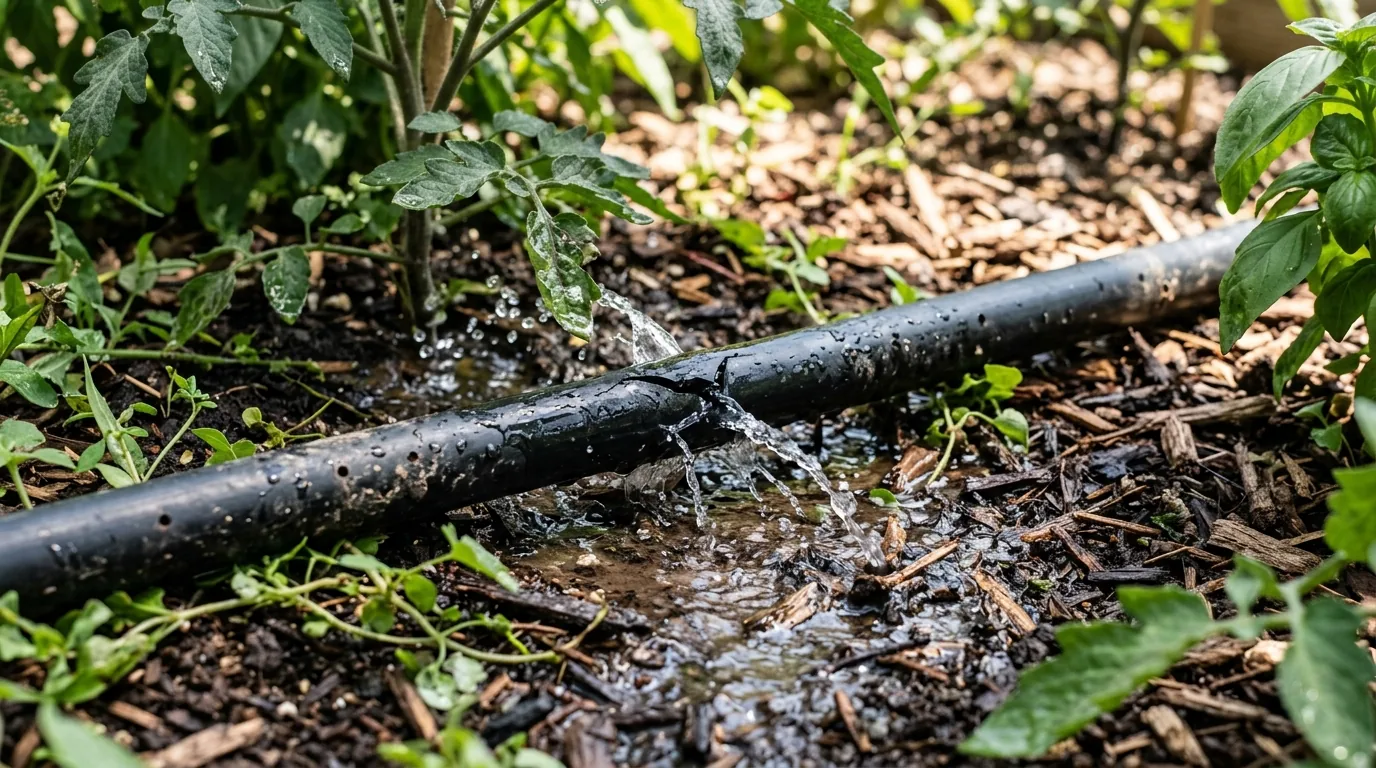
An irrigation symptom is not always the irrigation problem.
A puddle beside one plant may come from split poly tubing several feet away. A dry turf strip may be a clogged nozzle, a pressure problem, a valve that is not opening fully, or simply the wrong runtime. Replacing the first visible part can leave the underlying failure untouched.
Water where it should not be
Pooling near valve boxes, wet gravel, soft soil, water against walls, or a meter that moves when irrigation should be off can point to an active leak or valve issue.
A zone that will not behave
Zones that stay on, never start, cycle inconsistently, or lose pressure need controller, wiring, solenoid, valve, and line checks—not guesswork.
Plants or turf drying unevenly
Broken emitters, clogged nozzles, mismatched heads, buried drip, and poor coverage can create dry pockets even when the timer appears to run normally.
One service visit, a complete look at the affected system.
We start with the reported failure, then check the connected pieces that could be causing it. The final scope depends on access, system condition, and whether the repair exposes additional damage.
Zone-by-zone diagnostics
Operate affected stations, observe pressure and coverage, compare controller commands with field response, and isolate the likely failure point.
- Spray and rotor zones
- Drip zones
- Mixed turf and planter systems
Valves, manifolds and solenoids
Inspect leaking, stuck, buried, or non-responsive components and determine whether a repair or replacement is the better use of your budget.
- Valve box leaks
- Solenoid faults
- Damaged fittings and manifolds
Drip line and emitter repair
Trace obvious breaks and weak distribution, replace damaged sections, correct missing or clogged delivery points, and retest the zone after repair.
- Split poly tubing
- Disconnected emitters
- Plant-by-plant coverage checks
Sprinkler coverage correction
Address broken heads, tilted spray, blocked patterns, overspray, and incompatible nozzles that leave turf dry or pavement soaked.
- Head replacement
- Nozzle matching
- Arc and alignment adjustments
Controller and schedule review
Confirm station assignments and basic programming so repaired hardware is not sent back into an inefficient or damaging watering schedule.
- Station mapping
- Runtime review
- Seasonal schedule adjustments
Targeted upgrades and additions
When a patch will not solve a failing layout, we can discuss a defined retrofit, zone modification, or replacement plan rather than stacking temporary fixes.
- Line reroutes
- Zone separation
- Controller or valve upgrades
A Laveen system may cross two very different kinds of property.
Laveen includes established acreage, former agricultural parcels, irrigated lots, newer subdivisions, and compact HOA yards. That mix matters. A system serving mature trees across a large lot should not be diagnosed like a small front-yard drip loop, and pressurized landscape irrigation must be understood separately from any flood-irrigation schedule on the property.
Heat and sun exposure also punish above-ground poly tubing, small fittings, and valve-box components. We look at how the line is routed, where it is exposed, which plants share a zone, and whether the controller schedule matches the actual landscape—not just whether water comes out.
How an irrigation repair moves from symptom to tested fix
The goal is not to sell a bag of parts. It is to leave you with a system response that can be explained and verified.
01 / Show us the failure
We review the wet area, dry area, high-water concern, controller behavior, and any previous repair history you know.
02 / Run and isolate
The affected zones are operated while valves, heads, emitters, accessible lines, and controller signals are checked.
03 / Price the defined scope
We explain what failed, what should be repaired now, and any optional improvements that can be separated from the immediate work.
04 / Repair, retest, hand off
Completed work is pressure-tested or cycled, coverage is reviewed, and you are shown any schedule or follow-up changes.
Help us quote the right repair—not a mystery service call.
A useful request includes what you see, what is no longer working, and how the property is watered. Photos are especially helpful when water is actively leaking or a valve box is flooded.
- Affected station or zone, if known
- Controller brand or a clear controller photo
- Location of the wet or dry area
- Whether water stops when the main or controller is off
- Gate, tenant, pet, or valve-box access notes
Straight answers about the service
Do you repair both drip irrigation and lawn sprinklers in Laveen?+
Yes. Bryson can diagnose and repair drip zones, spray heads, rotors, valves, manifolds, accessible wiring issues, controllers, and connected distribution problems. The exact repair depends on system condition and access.
Can you find a leak that is under gravel or soil?+
We can test the affected zone and narrow the likely area using visible saturation, pressure behavior, component checks, and careful exposure where needed. Large or unusually deep main-line failures may require a larger diagnostic scope.
Will you replace a valve or try to repair it?+
That decision is based on the valve body, diaphragm or solenoid condition, accessibility, age, and the reliability of the surrounding manifold. We explain the practical options before proceeding.
Can you repair irrigation on a property that also uses flood irrigation?+
Yes, provided the systems and access can be clearly identified. Pressurized drip or sprinkler zones are evaluated separately from the property’s flood-irrigation delivery and schedule.
Do you install new irrigation as well as repair it?+
Yes. If the existing layout cannot support the landscape reliably, Bryson can discuss a new zone, reroute, retrofit, or broader irrigation installation as a separate scope.
What should I do if a line is actively flooding the yard?+
Shut off the irrigation water supply if you can do so safely, keep people away from electrical equipment and unstable soil, then call with the location of the leak and any photos or video.
Plan your next step
Practical guides to help you prepare for this service.
Phoenix Irrigation Checklist After Monsoon Rain
Check rain delays, drip lines, sprinklers, and lingering wet spots after a Phoenix monsoon storm before restarting your normal irrigation routine.
Irrigation RepairDrip Irrigation Maintenance: How to Spot and Fix Hidden Tube Leaks
Don't let silent water leaks spike your utility bills. Learn how to perform a simple monthly pressure test and maintain emitter lines in the Arizona heat.
Pair the repair with the right next service
Ready for a property-specific answer?